

Three days in Lisbon is enough to see the city properly if you split it into three distinct days: Day 1 in the historic centre for Alfama, the castle and Baixa; Day 2 in Belém for the monuments and pastéis de nata, ending with a sunset cruise on the Tagus; and Day 3 on a day trip to Sintra’s palaces.
Is 3 Days Enough for Lisbon?
Yes — three days is the sweet spot for a first visit. Lisbon’s centre is compact, so one full day covers the old town, a second covers Belém and the river, and a third is free for Sintra, the day trip almost everyone ends up taking. What three days will not do is let you see everything; the trick is to stop trying. Pick one neighbourhood per morning, leave the afternoons loose, and let the city’s famous seven hills slow you down — they will anyway.
The itinerary below is the shape we recommend to guests week after week. Free sights carry most of it; where a guided experience genuinely earns its place, we say so and link to our own tours, which are the ones we run.
Day 1: Alfama, the Castle and the Old Town
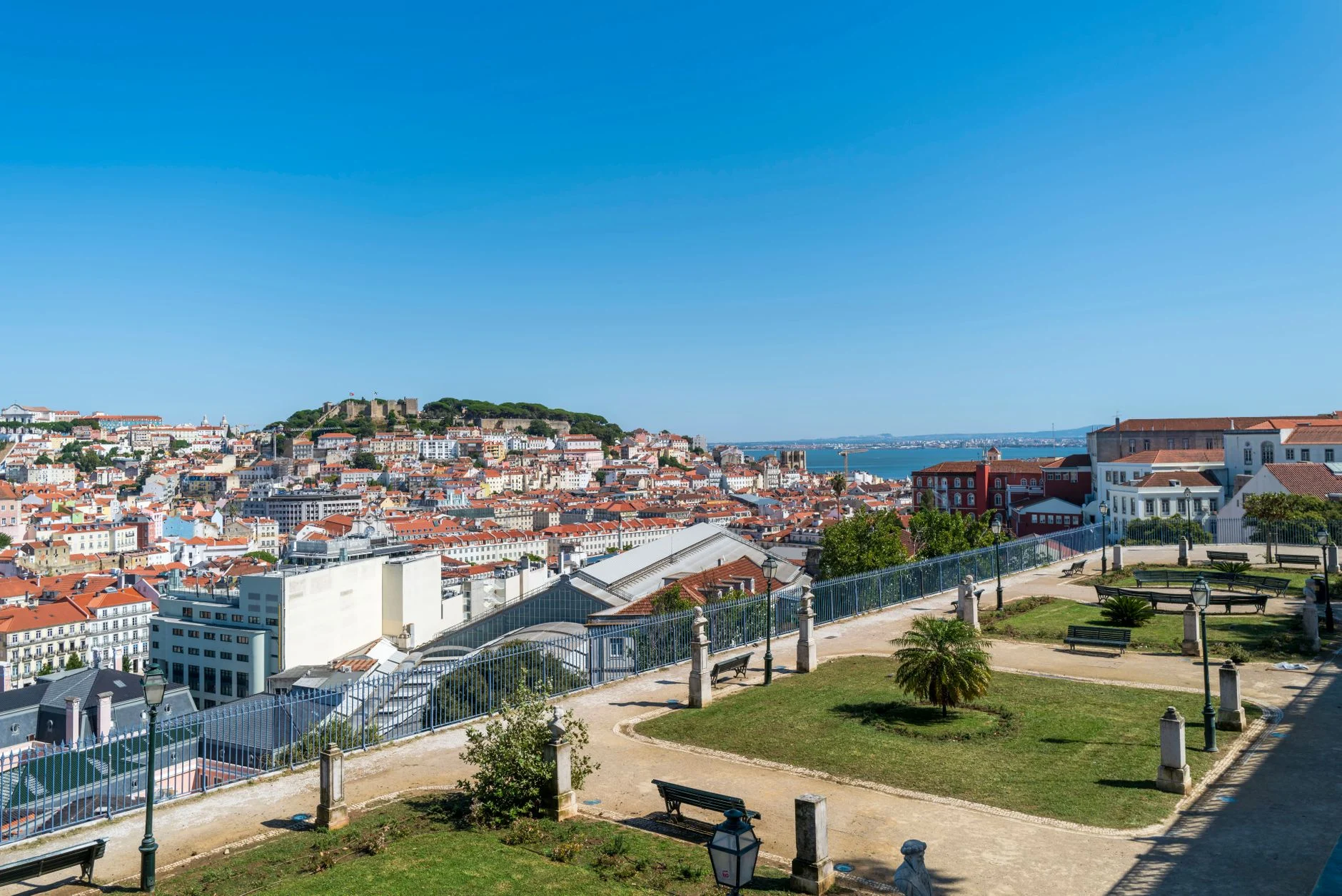
Start where Lisbon started. Alfama is the city’s oldest neighbourhood, a tangle of stairways and tiled façades spilling down from São Jorge Castle to the river, and it rewards getting lost far more than following a map. Climb (or ride) up to the castle early, before the queues, then drift downhill past the Sé cathedral towards Baixa’s grid of Pombaline streets and the great riverfront square of Praça do Comércio.
Two honest tips for this day. First, tram 28 — the famous yellow tram through Alfama and Graça — is wonderful but packed by mid-morning; ride it early or late, or skip it and walk the same streets. Second, if you want the stories behind the streets rather than just the streets, this is the day for a guide: our Best of Lisbon walking tour covers the historic centre on foot with a local, and if the hills are a concern, a tuk tuk tour does the climbing for you while still fitting down lanes a bus never could.
End the day in Chiado and Bairro Alto. Chiado for elegant cafés and bookshops, Bairro Alto for dinner and a glass of wine as the neighbourhood wakes up after dark — and if you hear fado drifting out of a doorway in Alfama on your way back, follow it.
Day 2: Belém, Pastéis de Nata and a Sunset on the Tagus
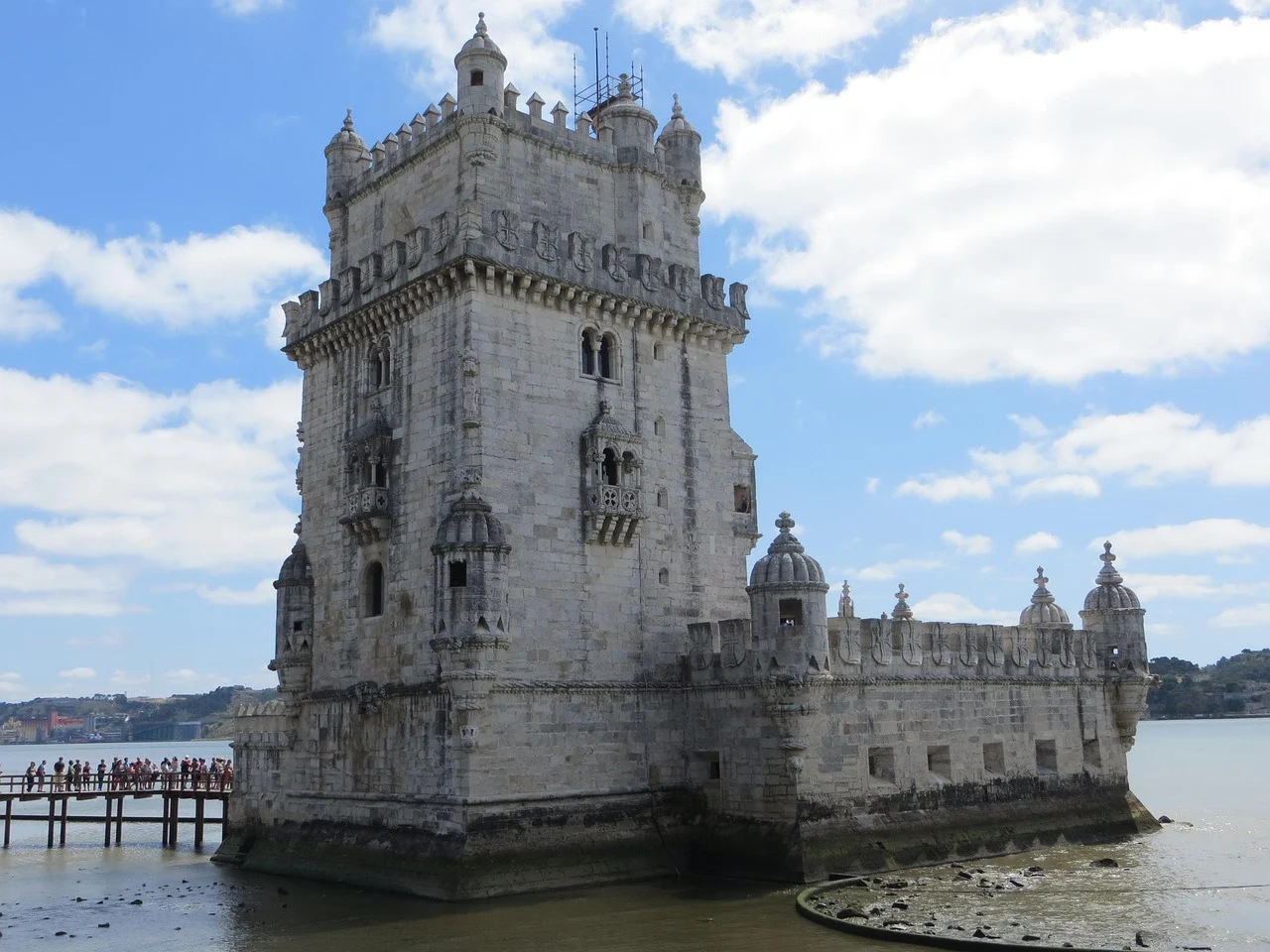
Give your second morning to Belém, the riverside district about six kilometres west of the centre where Portugal’s Age of Discoveries is written in stone. The essentials sit within walking distance of each other: the Jerónimos Monastery and the Belém Tower — both UNESCO World Heritage sites — plus the Monument to the Discoveries on the waterfront. Go early; Jerónimos draws the longest lines in Lisbon.
Belém is also where the pastel de nata was born. The original Pastéis de Belém bakery has been making them to a secret recipe since 1837, and eating one warm, dusted with cinnamon, is as close to obligatory as Lisbon gets. If you would rather cover the district’s ground without burning your legs before the afternoon, our Belém tuk tuk tour links the monuments with a local driver who fills in the history between stops.
For the evening, get on the water. Lisbon faces south over the Tagus, which means the city glows at sunset when seen from the river — the castle, the bridge and the terracotta rooftops all at once. Our sunset cruise on a traditional boat, with white wine on board, is the way we would spend our own last golden hour here; you can compare the full range of boat tours if you prefer a different slot.
Day 3: A Day Trip to Sintra
Save your last day for Sintra, the UNESCO-listed town of palaces in the wooded hills west of Lisbon. It is the classic day trip for good reason: the candy-coloured Pena Palace on its peak, the mysterious wells and tunnels of Quinta da Regaleira, and the romantic gardens of Monserrate would each justify the journey alone, and Sintra has all three within a few kilometres.
You can reach Sintra by train in around forty minutes, but be realistic about what independent travel costs you here: the sights are spread across steep hills, the local buses queue badly in high season, and timing your palace entries wrong can eat half the day. This is the one day where a guided trip genuinely changes what you see. Our full-day Sintra trip from Lisbon covers Pena Palace, Quinta da Regaleira and Monserrate with transport and timing handled — three major sites in one day, which is very hard to match on your own. If Sintra is not your style, browse the other day trips from Lisbon, from the Arrábida coast to Sesimbra.
Back in Lisbon, keep the last evening simple: a slow dinner, a ginjinha (the city’s sour-cherry liqueur) standing at a hole-in-the-wall counter, and a final miradouro viewpoint at dusk.
What Should You Eat in Lisbon?

Eat what Lisbon actually eats, not what the laminated menus push. The short list:
- Pastéis de nata — custard tarts, best warm; Belém has the original, but great bakeries are everywhere.
- Bacalhau — salt cod, the national obsession, cooked a different way in every kitchen.
- Grilled sardines — a summer institution, eaten on bread at street grills.
- Bifana — the garlicky pork sandwich locals queue for at lunch.
- Ginjinha — sour-cherry liqueur served in tiny glasses at standing-room bars.
The fastest way to eat well from day one is to go out with someone who knows the counters worth queueing at: our food and wine walking tour folds tastings into a stroll through the historic centre, and there are more food tours if you want a different focus. If you would rather take the flavours home, our hands-on Portuguese cooking class has you making the classics yourself.
How Do You Get Around Lisbon?
Walk the centre, ride to everything else. The metro’s red line connects the airport directly to the city, and a rechargeable transit card covers metro, buses, trams and the funiculars that haul you up the steepest hills. Belém is an easy tram or train ride along the river from the centre, and Sintra trains run frequently from the city. Between neighbourhoods, your feet are usually fastest — just accept the hills, wear real shoes (the calçada cobblestones are slippery and beautiful in equal measure), and treat every climb as the price of the view at the top.

FAQ
Are 3 days in Lisbon enough?
Yes, for a first visit. Three days covers the historic centre, Belém and a Sintra day trip without rushing — the three pillars of any Lisbon trip. You will leave things unseen, which is normal here; a fourth or fifth day adds depth or a second day trip, but three days delivers a genuinely complete first experience.
How do you get to Belém from Lisbon?
Belém sits about six kilometres west of the city centre along the river, and the tram and suburban train both run there from central Lisbon in roughly twenty minutes. Once there, everything is walkable. If you want the district’s history narrated between stops, a Belém tuk tuk tour covers the monuments with a local driver.
Should you visit Sintra on a tour or on your own?
On your own works if you are happy to manage trains, hill buses and timed palace entries yourself. A guided trip removes all of that and reliably fits more in: our full-day tour covers Pena Palace, Quinta da Regaleira and Monserrate in one day, which is difficult to match independently.
Is a tuk tuk tour in Lisbon worth it?
In Lisbon, genuinely yes — this is not a gimmick city for tuk tuks. The historic centre is steep and its lanes are too narrow for buses, so a tuk tuk tour reaches viewpoints and backstreets you would otherwise sweat for, with a local driver as your guide. It suits anyone short on time or unenthusiastic about hills.
What is the best sunset cruise in Lisbon?
The one that puts you on a traditional boat as the light turns gold over the Tagus. Our sunset cruise with white wine sails past Praça do Comércio, the bridge and Belém at the day’s best hour; compare all boat tours to find your preferred style.